
Low Vision
If Your Vision Is Preventing You from Doing Work or Hobbies, Come in for a Low Vision Exam
Every person with vision loss should be able to perform their daily activities independently. Whether you’re experiencing vision lost for the first time or have never had full vision, Roswell Eye Clinic can help.
What Is Low Vision?
People with low vision are not blind; they have some useful sight. Low vision is the term used to describe reduced vision, which typically occurs in two ways.
- Blurred Vision (usually 20/70 or worse) that cannot be fully corrected with eyeglasses, contact lenses or eye surgery.
- Incomplete Field of View (i.e. visual field)
The degree of their visual impairment can make reading, driving/commuting independently, watching television, using a computer and shopping more difficult or impossible. In turn, people with low vision often feel shut off from the world and completely dependent on friends and relatives. Among visually impaired Americans of ages 21 to 64, only 43.7% are employed (compared to 80% of normally sighted people) according to Lighthouse International.
The primary causes of low vision are eye diseases (such as macular degeneration, glaucoma and diabetic retinopathy). However, low vision also can be inherited or caused by an eye or brain injury. Although children and adults can be visually impaired, low vision is mostly a problem that afflicts seniors. Vision loss – especially after a lifetime of good eyesight – can be very traumatic, leading to frustration and depression.
Colored Lenses
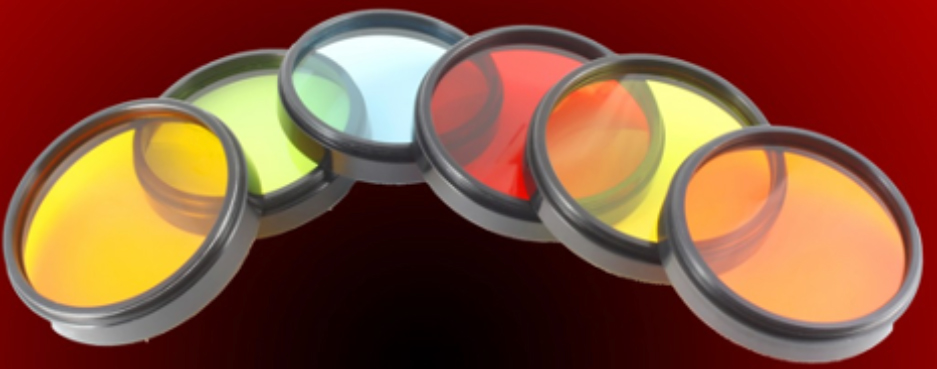
- Contrast Enhancement
- Patients with low vision may also suffer from reduced contrast sensitivity. Lenses to increase contrast can help.
- Filtering Lenses
- When it comes to Low Vision, Traumatic Brain Injury (TBI) and migraines, filtering lenses that blocking specific wavelengths can help tremendously.
Low Vision Aids for Computer Users
In general, visually-impaired people can use the same low vision aids for viewing a computer screen and reading e-mail as they do for other reading activities. In addition, special software has been developed to increase the size of print and images on computer screens and convert printed information into audible messages that are “read” by a synthetic voice.
These innovative low vision devices let partially-sighted people do the same computer-related tasks as fully-sighted people – such as word-processing, creating and using spreadsheets and viewing Web pages online.
- Increasing Print and Image Sizes
- Most computer operating systems and Internet browsers allow you to increase the size of Web pages and text on your computer screen to make them more visible to partially-sighted users.
- Talking Computers
- People with tunnel vision from glaucoma or central blind spots from macular degeneration may find it difficult and tiring to read an entire computer screen. This is one reason that “talking computers” were invented.
- Talking computers are based on optical character recognition (OCR) systems that first scan text in a word processing document or Web page, and then convert the text to sounds. The result is a synthetic voice that reads aloud not only the actual text but also important navigation items such as the cursor location. Voice systems are available from several major software companies.
Low Vision Evaluation
Our doctors can discuss low vision options. If necessary, we can refer you to a Low Vision Specialist for device fitting and training. Learn more about vision therapy.
Our Low Vision Specialists: Dr. Sarah Flanagan, Dr. Scott Moscow, Dr. Ashleigh Sprouse